


Strengthening the health system in the face of climate change risks

238
mother’s awareness groups

323
trained healthcare workers

7’500
awareness brochures distributed
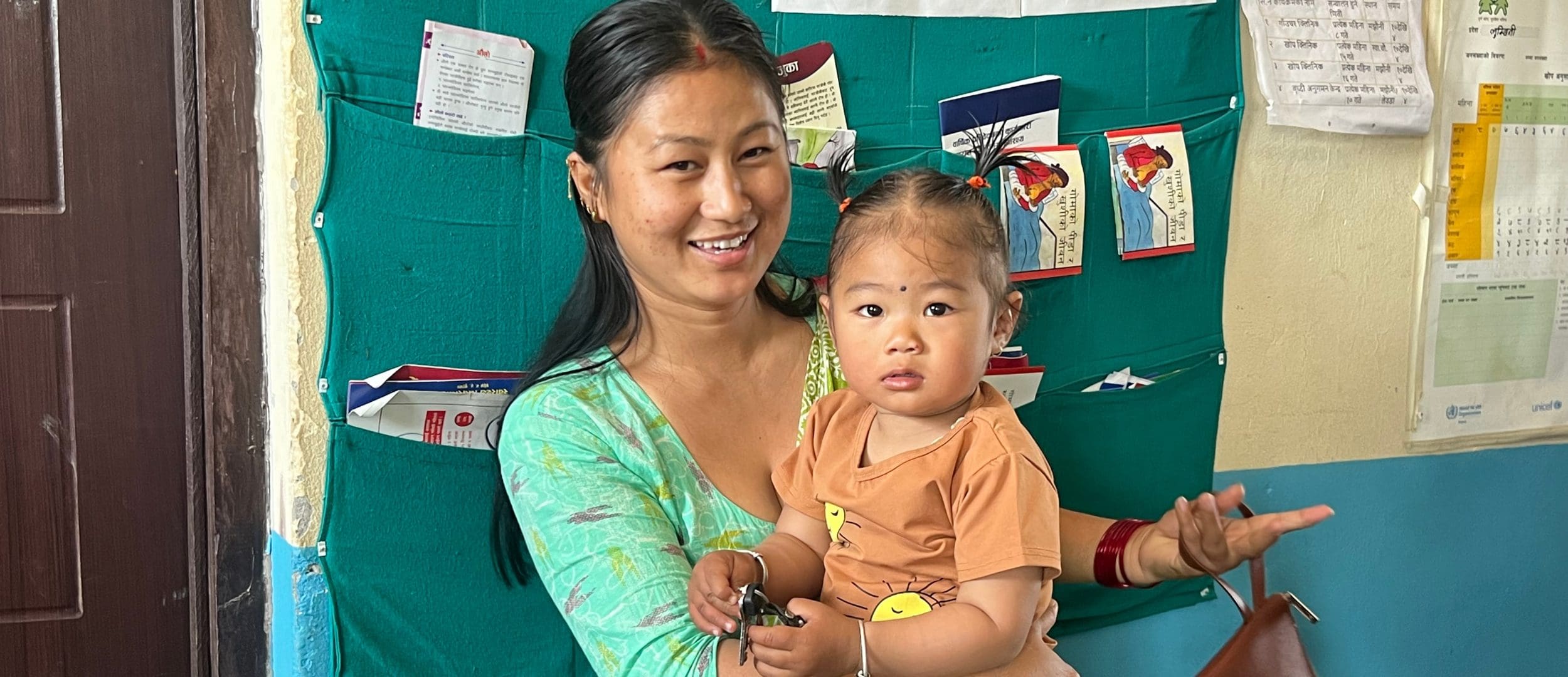
In Nepal’s Bagmati Province, the Dolakha District is a rural, agricultural region facing significant vulnerability. It is being severely affected by climate change: rising temperatures, melting glaciers, droughts, floods, and increasingly erratic and intense monsoon rains. These disruptions have a lasting impact on the health of the population, especially women, whose daily responsibilities related to water management, household care, and agriculture expose them to greater health risks. Blocked roads, damaged health centers, and polluted water directly threaten their well-being. To address these challenges, Green Tara Nepal and Enfants du Monde are strengthening the capacities of communities and local health actors, promoting climate and health issues among local authorities, and ensuring women have access to quality healthcare — regardless of climate-related conditions.
An anthropological study as the foundation of the project
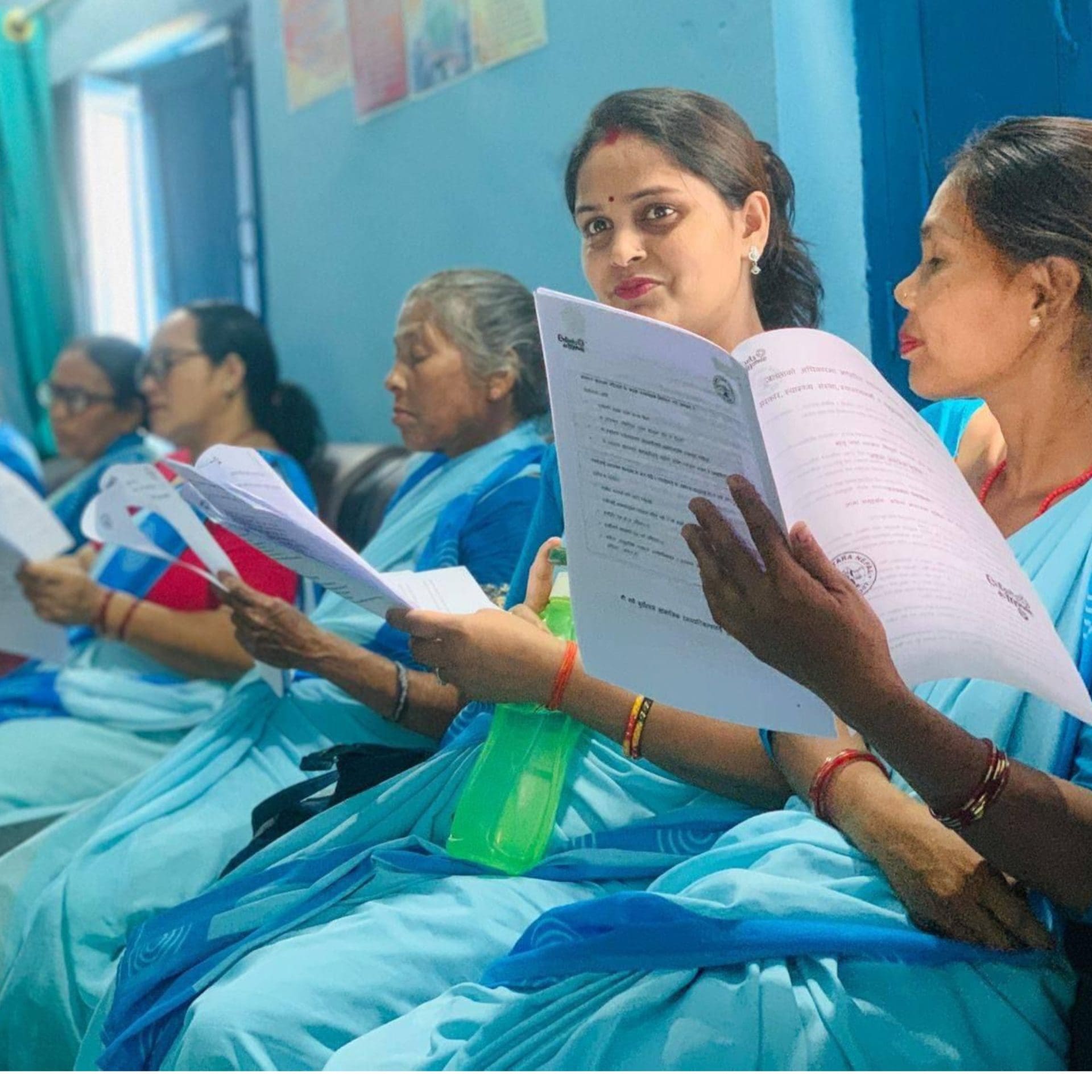
A research project was carried out in 2025 in cooperation with University of Lausanne and our partner Green Tara Nepal in the Dolakha District to gain a better understanding of the situation in the region. This research highlighted concrete and concerning links between climate change, access to water, and health — particularly for women. Water-related diseases, skin conditions, and the emergence of illnesses such as Dengue fever and Malaria are sometimes overwhelming the capacities of rural medical teams. Water lies at the heart of these challenges: dried-up springs during the dry season, contaminated reservoirs… these daily realities lead to alarming cases of diarrhea among children, as well as infections and menstrual health problems among women. Our intervention is built on these findings, with solutions developed together with local stakeholders to ensure they are adapted to the local context.
Mobilizing the community to prevent risks
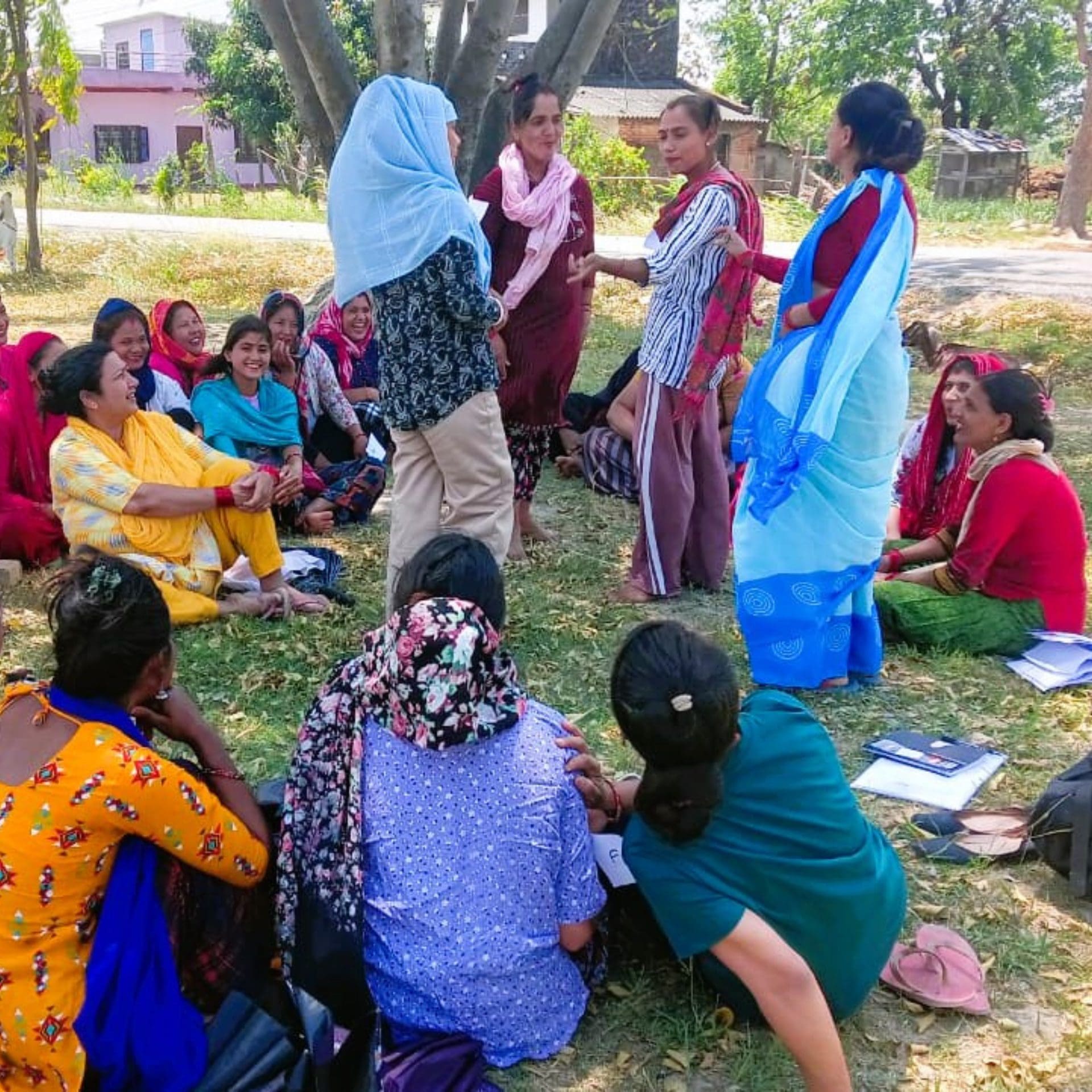
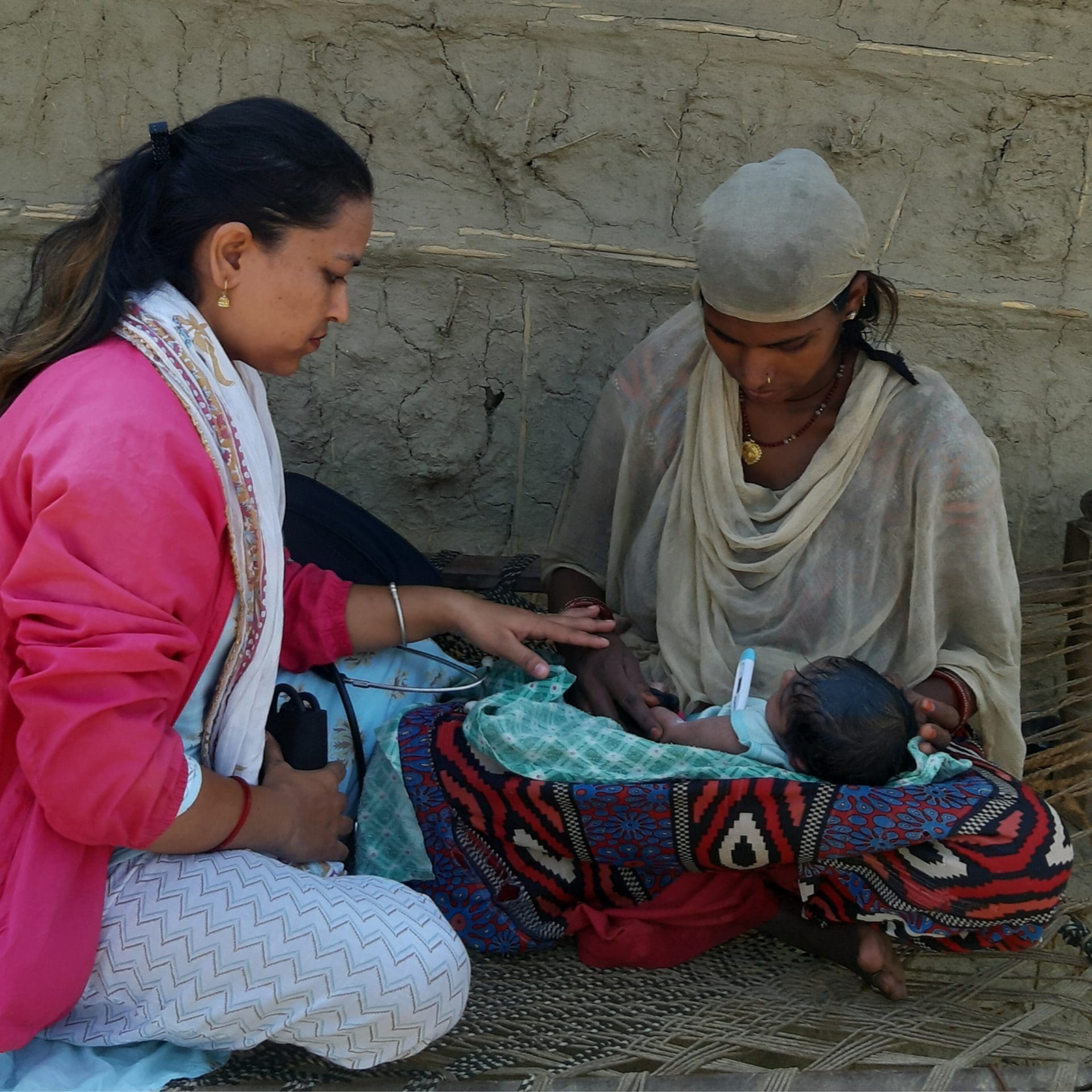
At the community level, female community health volunteers are a key link in the prevention chain. Trusted figures in their villages, they are trained in preventing climate-related diseases (such as dengue, waterborne illnesses, and skin conditions), in community monitoring, and in local early warning systems. They also lead regular awareness sessions within mother’s groups to inform them about health risks. Because health-related decisions are often made at household level, men are also engaged: they are made aware to encourage their active support for the health of women and girls. These inclusive approaches, rooted in existing local structures, help the project sustainably prepare communities for climate-related health risks.
Better-equipped health services to address climate-related challenges
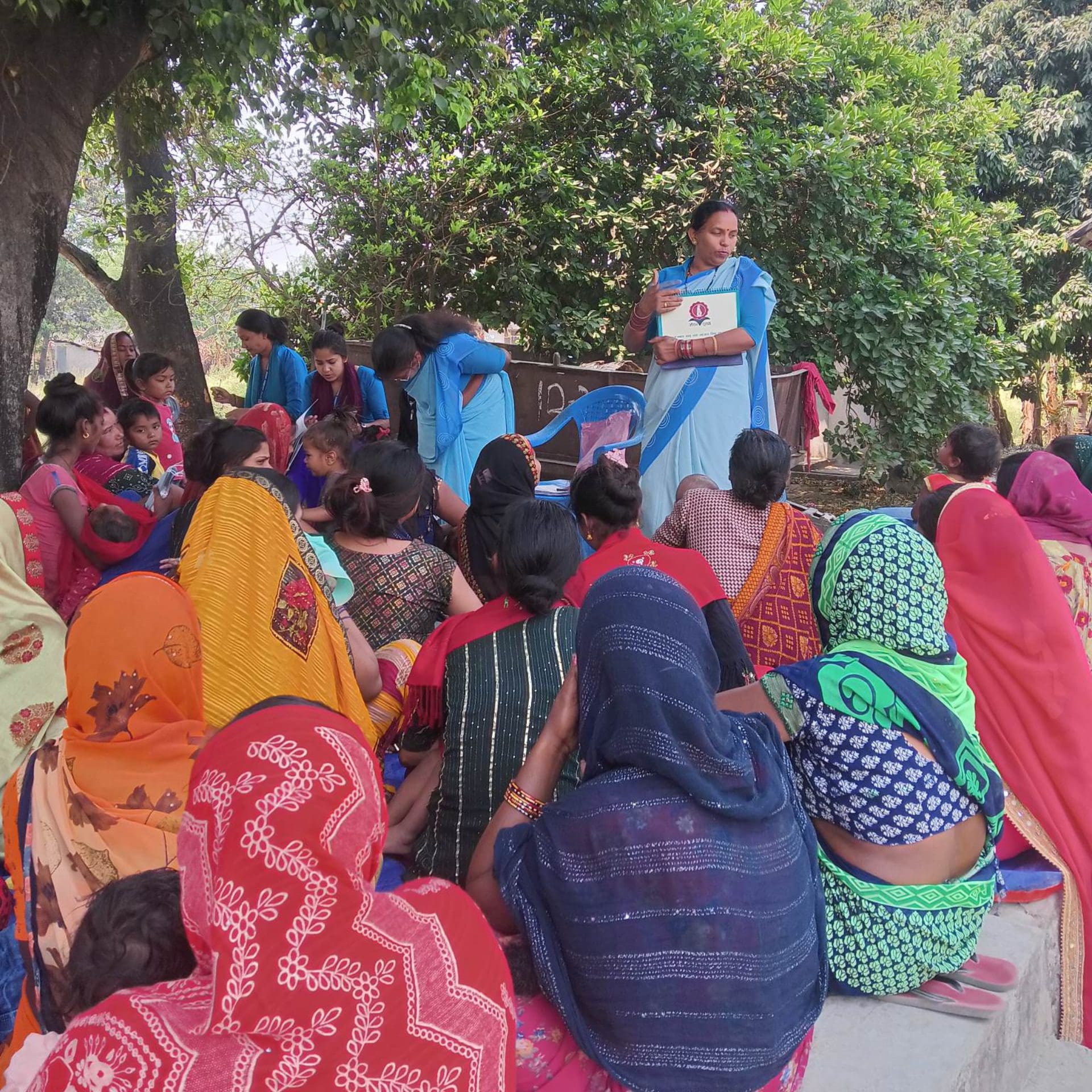
At the heart of our project is the development of a comprehensive training toolkit, as well as the training of health professionals, co-designed with national and local authorities — including the National Health Training Center (NHTC) of the Ministry of Health and Population, Nepal, the Climate Change Management Division (CCMD) of the Ministry of Forests and Environment, Nepal, municipalities, and community representatives. These tools notably integrate the management of climate-related diseases, early warning systems, and preparedness protocols for extreme climate events. Information posters, training guides for health professionals, a seasonal disease calendar, and awareness materials on climate-related health have also been developed.
Better-trained healthcare staff
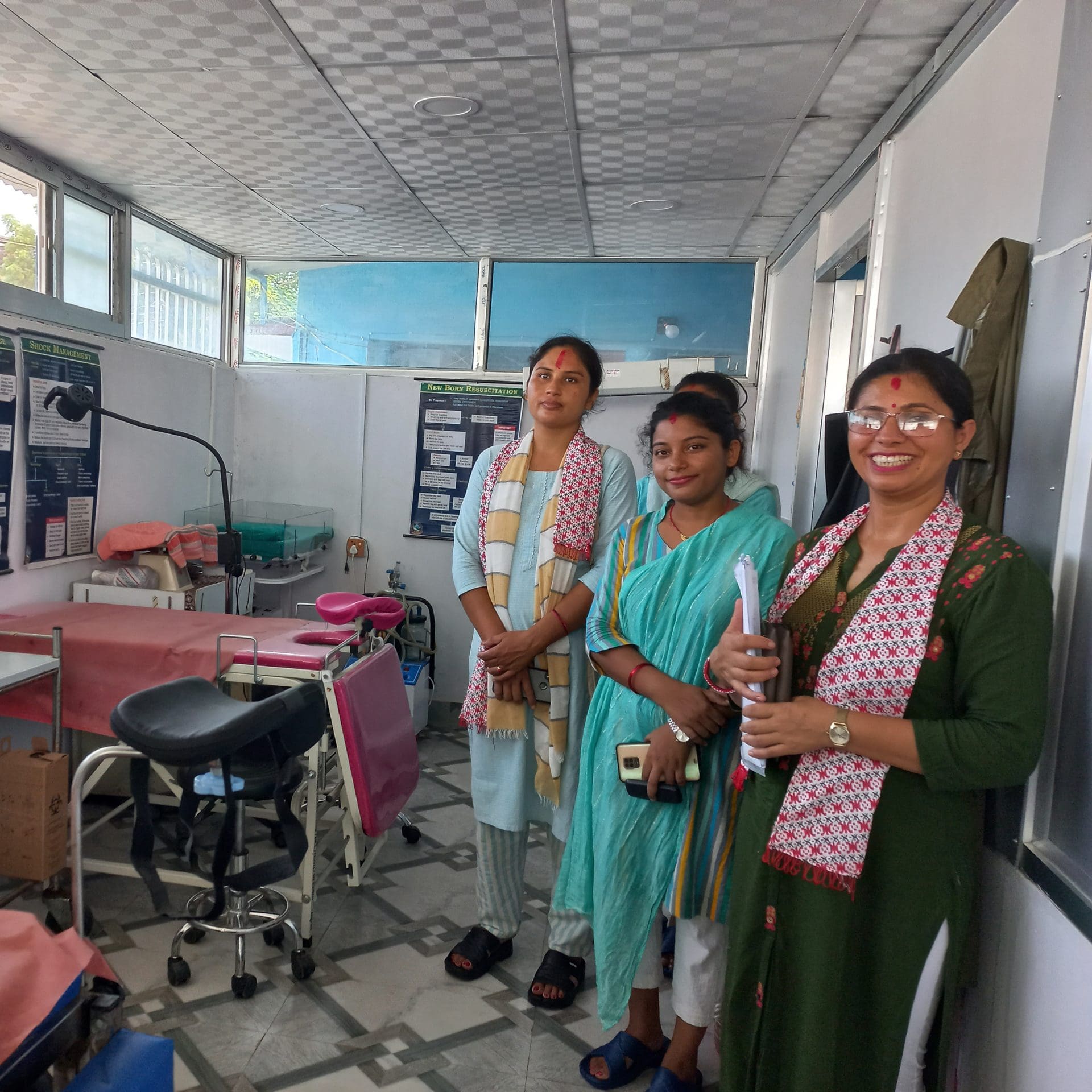
Health workers are often on the front line of the health impacts of climate change, yet they have not previously received specific training to address these challenges. This project directly responds to this gap by training the head of health posts on how climate change affects health and on the management of related diseases, enabling them to train their own teams in turn. Health personnel are thus progressively equipped to anticipate risks, improve patient care, and deliver tailored prevention messages to communities. In this way, a better-prepared network of healthcare workers is being built, with a lasting impact in the district.
Our impact
- 17 health post in-charges trained in climate health and the management of climate-induced diseases
- 68 health workers trained in the clinical management of climate-sensitive diseases and health education
- 238 community health volunteers trained in health awareness, prevention, early detection, and climate risk preparedness
- 238 mother’s awareness groups on disease prevention
- 7,500 illustrated awareness brochures distributed
Partners

 Stay informed
Subscribe to our monthly newsletter to receive news about our association and learn more about our programmes.
At the moment, the newsletter is only available in German or French.