


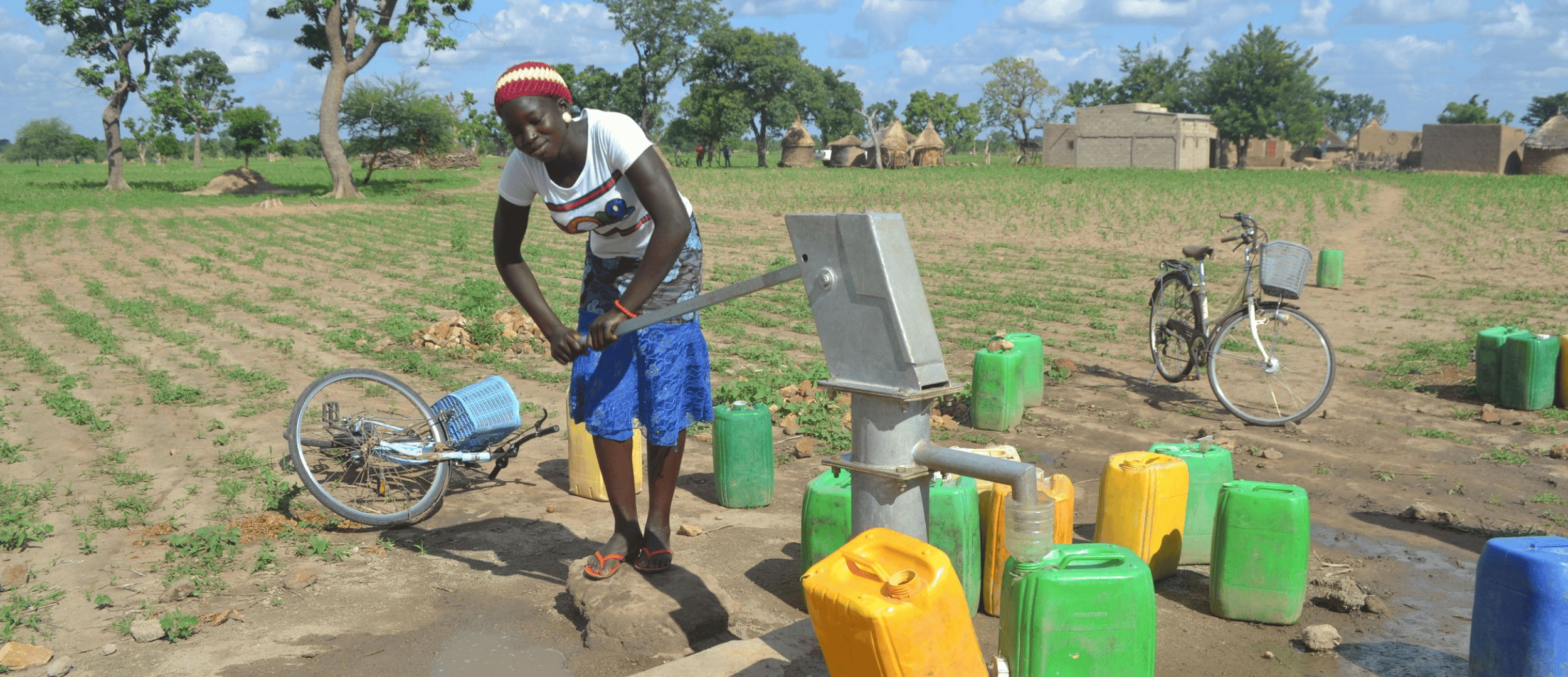
Better preparedness to protect communities from extreme heat
In eastern Chad, extreme heat events threaten people’s health and make access to safe water more difficult. Enfants du Monde is launching a project combining access to safe drinking water, prevention, community mobilisation and an early warning system to better protect the most vulnerable people.
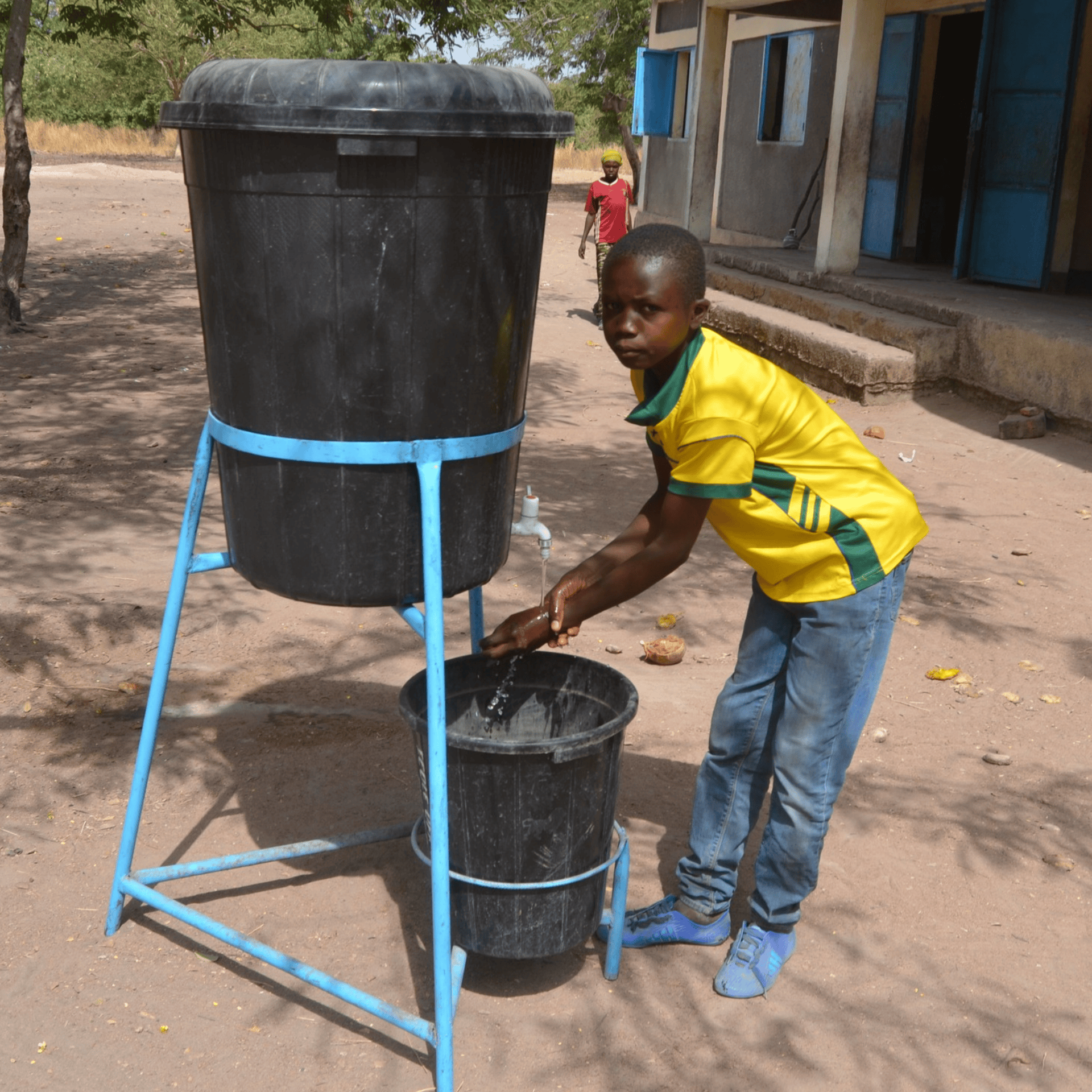
Increasing scarcity of safe drinking water
In Ouaddaï province, temperatures regularly exceed 40°C between April and June. This intense heat, combined with periods of drought, makes access to safe drinking water more difficult and increases the risks of dehydration and diseases caused by contaminated water.
The situation is particularly difficult for children, pregnant women, older people and people with disabilities. The arrival of many refugee families from Sudan is also increasing pressure on water resources and health services. In this livestock farming region, people and animals sharing the same water points further increases the risk of contamination.
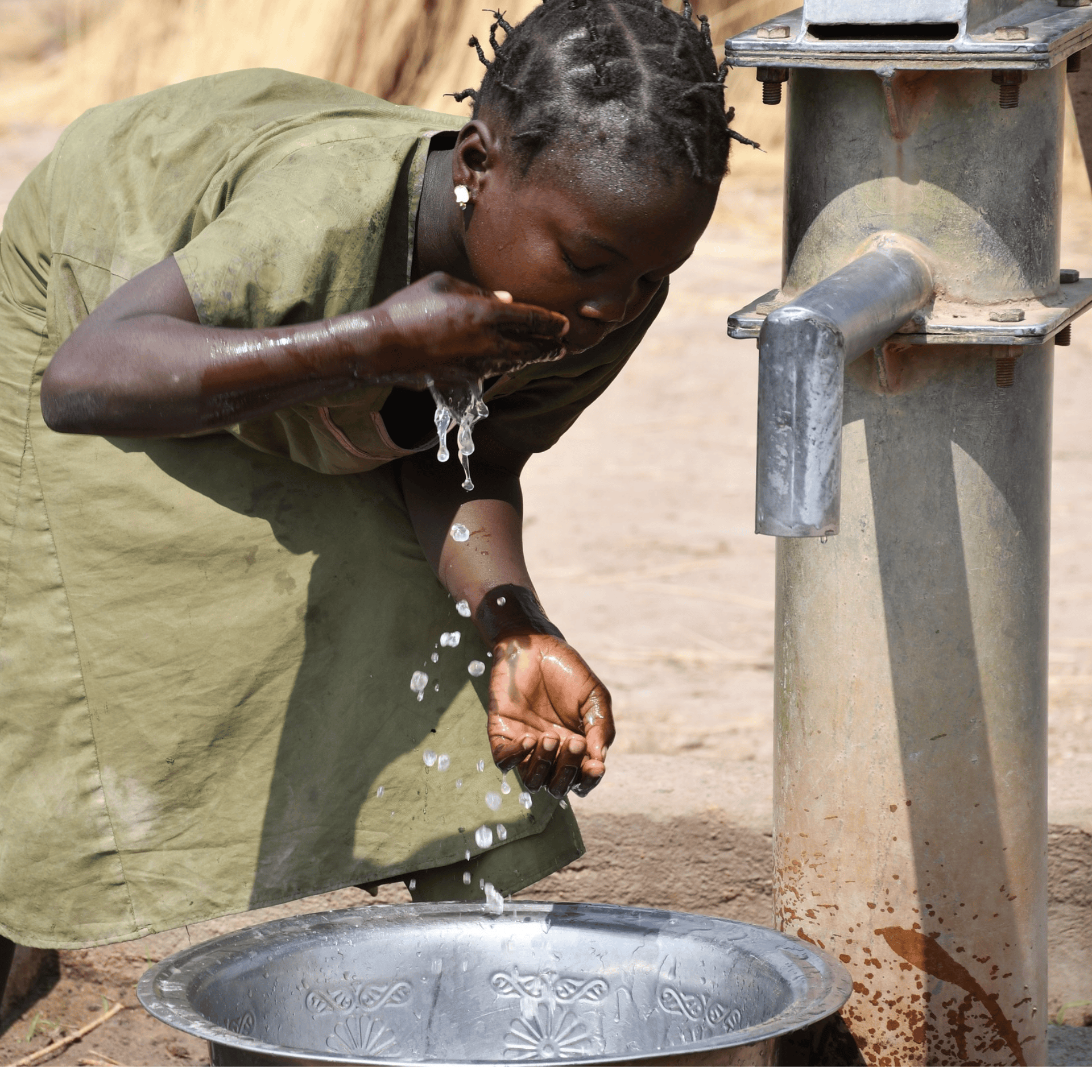
Better protecting communities during periods of intense heat
New community boreholes will be drilled, and priority water points will be equipped with simple chlorination systems. Separate areas will be set up for watering livestock to reduce the risk of contamination. Handwashing stations will also be installed in schools, markets and health centres, while hygiene kits will be distributed to the most vulnerable families.
Weather and health data will help identify high-risk periods and trigger early warnings. Shared through text messages, voice messages and local radio stations, these warnings will help communities quickly adapt their practices, particularly regarding hydration, hygiene and water management.
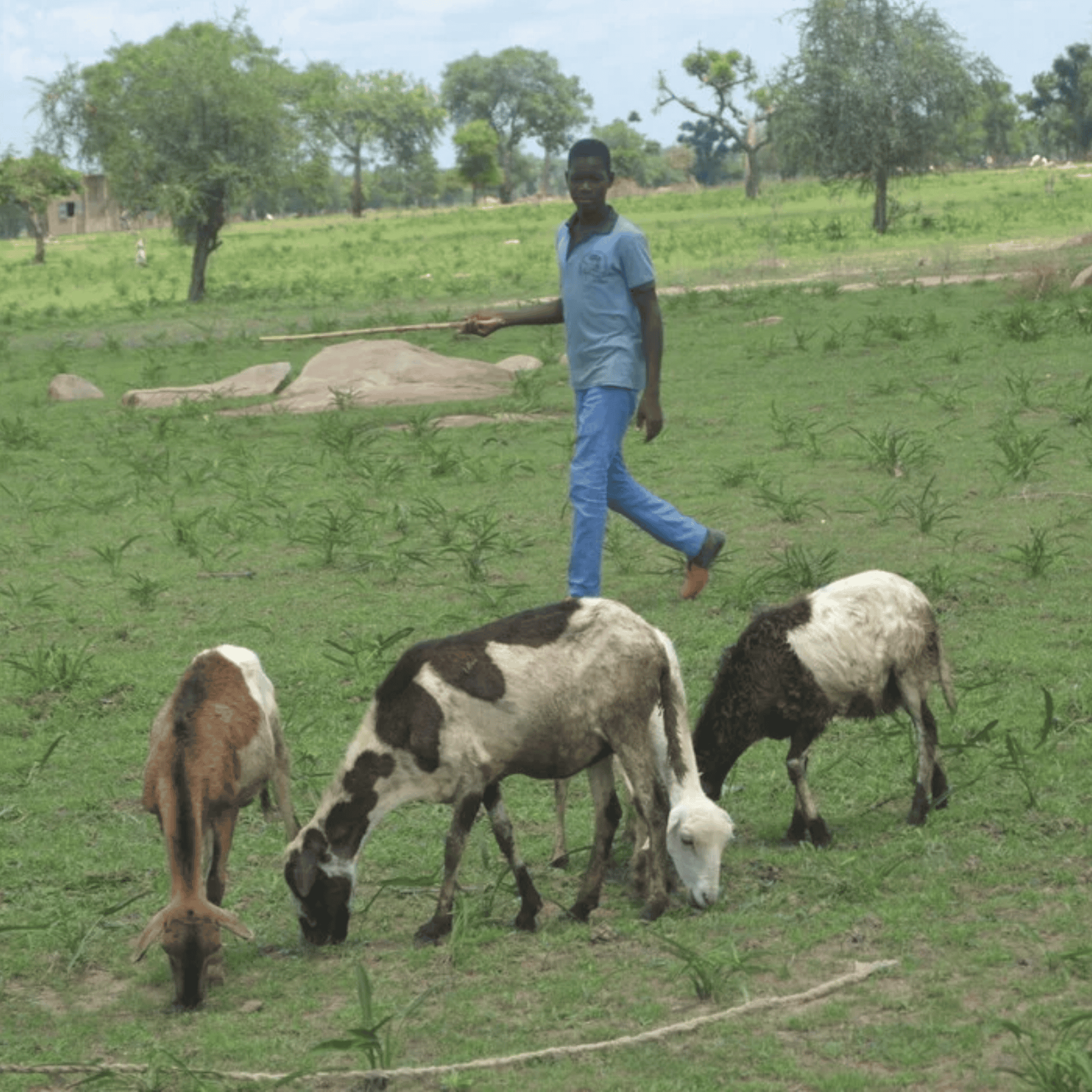
Building knowledge to better prevent risks
Through health education activities, young people, community outreach workers and health workers will be trained to better recognise the signs of dehydration and diarrhoea. These activities will strengthen communities’ knowledge and support lasting changes in their practices concerning hydration, hygiene, protection from heat and water treatment.
The project also adopts a One Health approach, which considers human, animal and environmental health together. Communities will learn to identify unusual signs involving water, animals or mosquito proliferation so that they can report risks more quickly.
Through this project, Enfants du Monde aims to sustainably improve living conditions for around 15,000 people in Ouaddaï and strengthen their ability to cope with the health impacts of climate change.
Funding partners

 Stay informed
Subscribe to our monthly newsletter to receive news about our association and learn more about our programmes.
At the moment, the newsletter is only available in German or French.