


Sexual and Reproductive Health of Adolescents in Nepal
Between 2024 and 2025

21 000
Supported youth

64
Teachers trained

59
Health professionals trained
Improving adolescent health
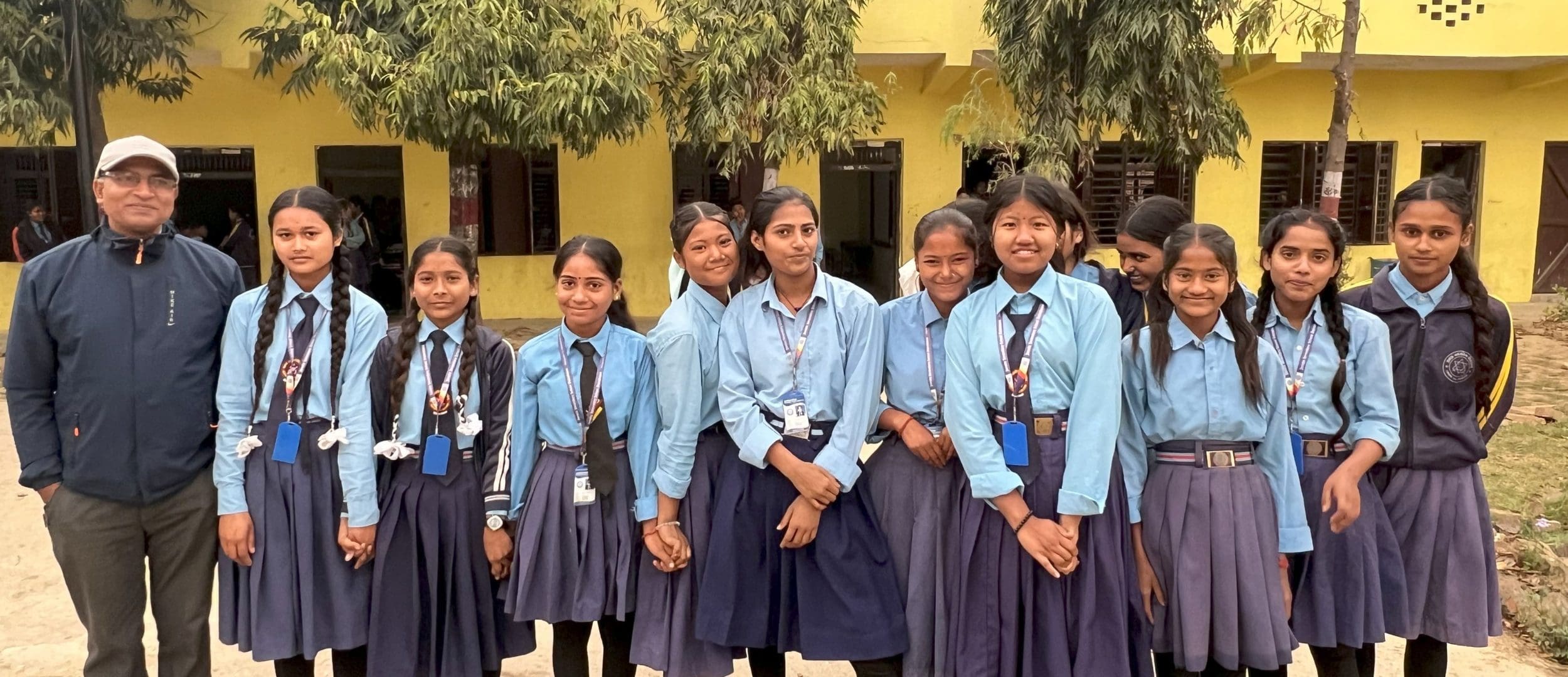
In Nepal, adolescents encounter a lot of challenges in sexual and reproductive health. Child marriage, unintended pregnancies and menstrual stigma often lead to school dropouts and harmful effects on the girls’ well-being and mental health. The lack of sex education and adequate services for adolescents further exacerbates these inequalities through a limited use of healthcare services: only approximately 14% of married adolescents between 14 to 19 years old seek family planning services. In response to this situation, and in collaboration with our local partner Green Tara Nepal (GTN) and Nepal’s health and education authorities, we helped implement a programme in the province of Lumbini during 2024-2025. Our objective was to help in the improvement of young people’s health, especially by reducing unintended teenage pregnancies, and to promote a more equal, healthy and informed society.
Our Impact
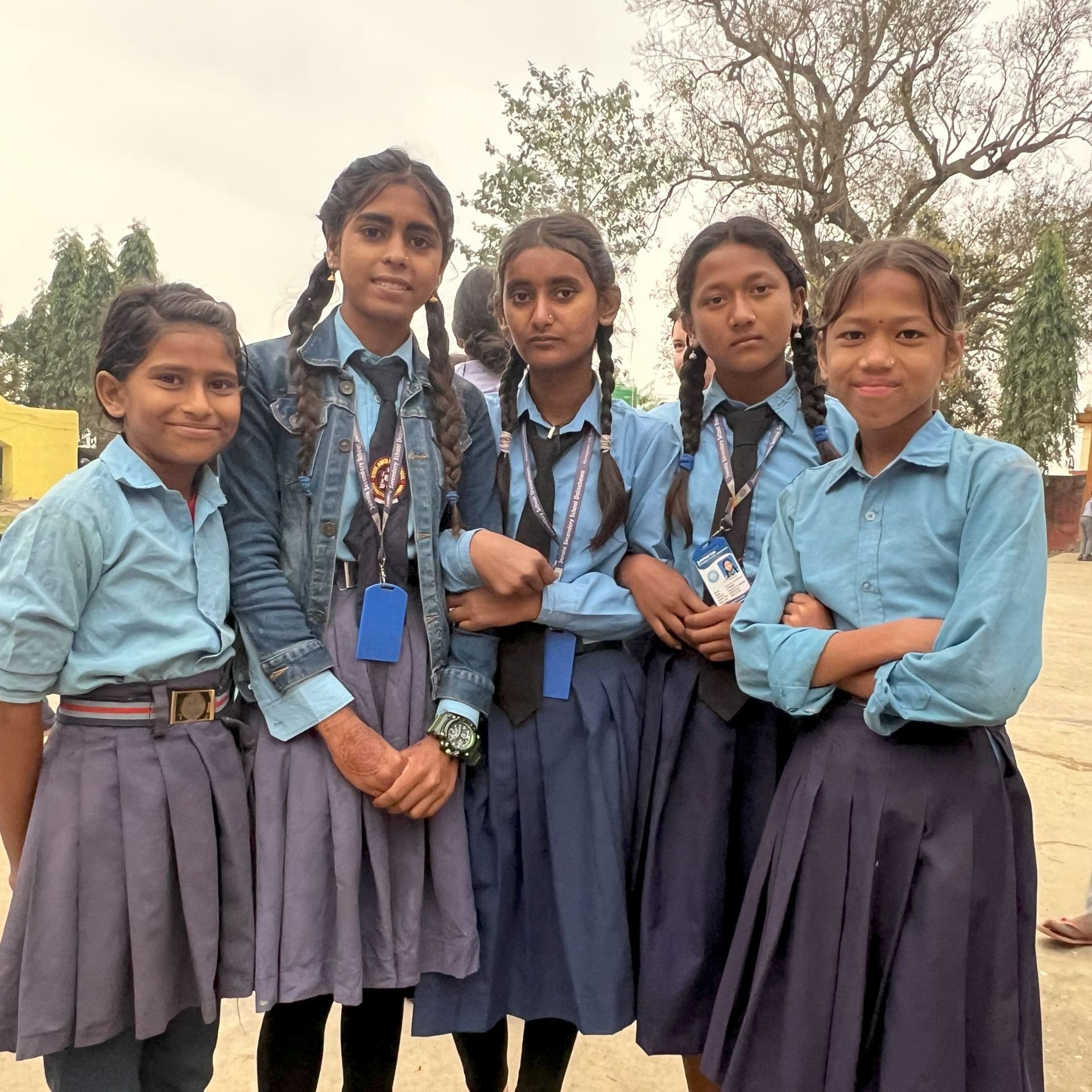
Through the training of health staff and teachers, the establishment of comprehensive sexuality education and youth-friendly services in schools and healthcare centres, and youth participation, the project achieved:
- Improved adolescents’ knowledge of contraception, prevention of unintended pregnancies, sexual health, self-respect and respect for others;
- Improved the quality and accesibility of healthcare services for young people by training staff and establishing welcoming environments;
- Improved the quality and accessibility of comprehensive sexuality education in schools by training staff and creating youth-friendly environments;
- Strengthened young people’s confidence and participation in decisions that involved their health and education;
- Promoted collaboration between healthcare and local education sectors.
Main activities :
- Training healthcare staff in services for young people;
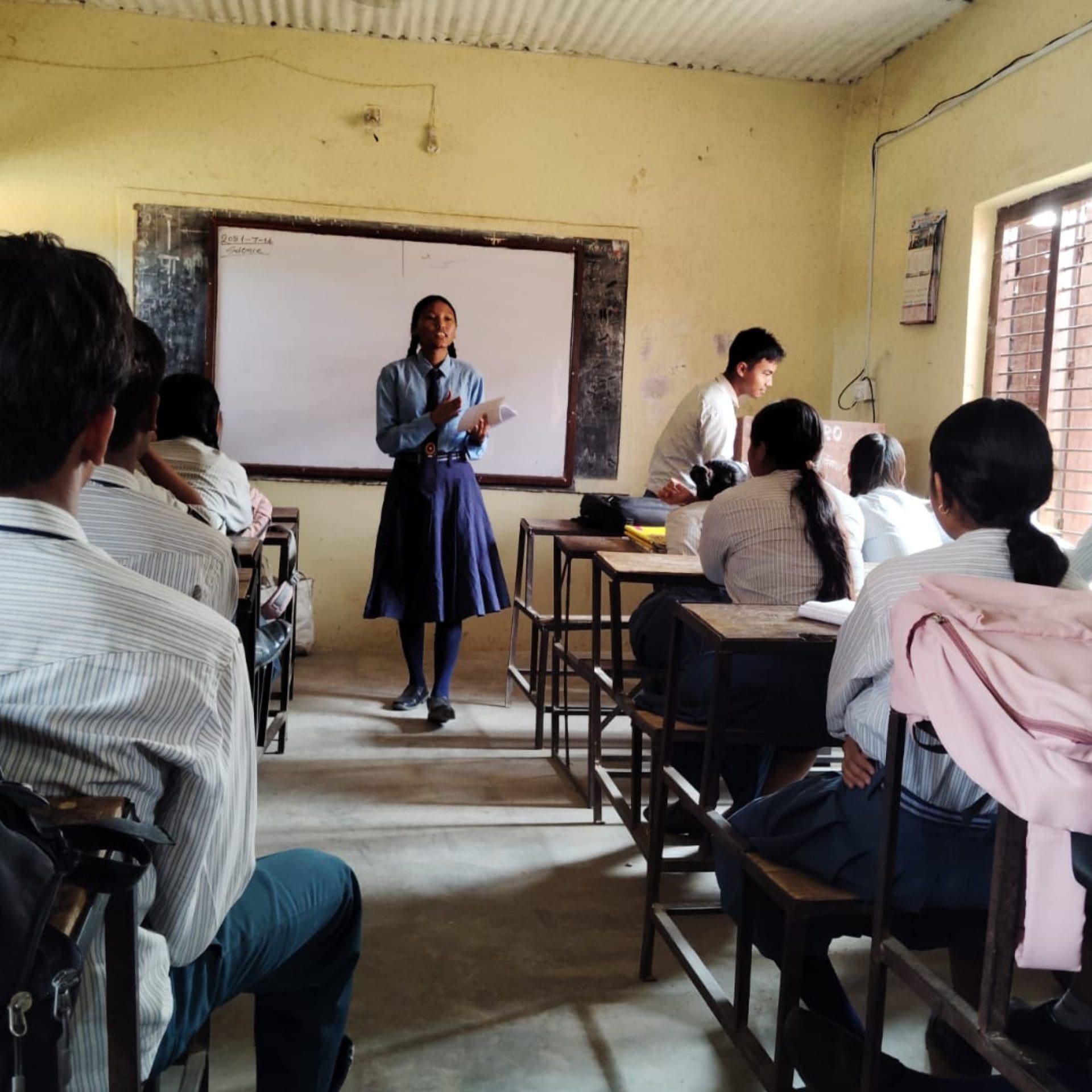
- Training teachers in comprehensive sexuality education;
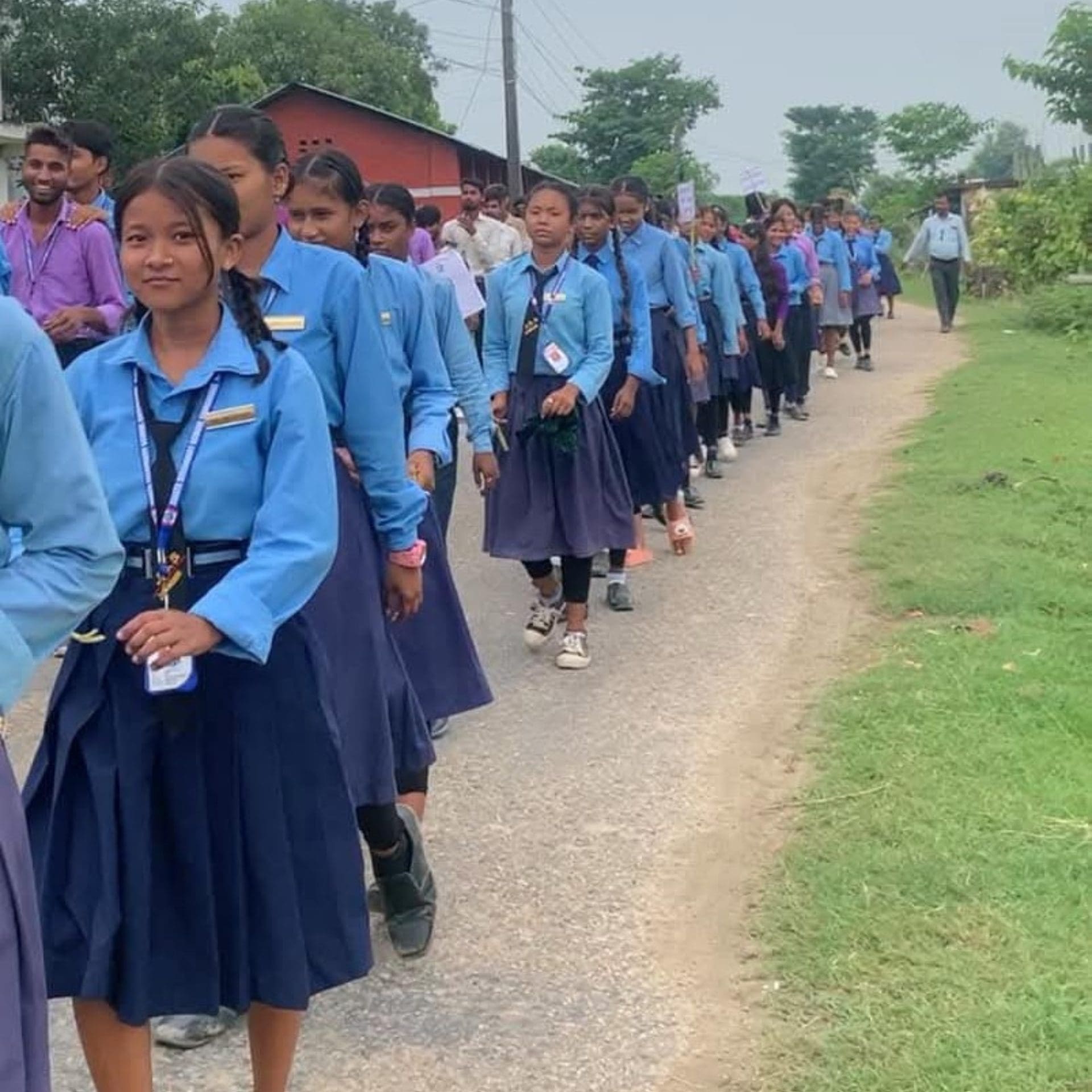
- Raising awareness among thousands of young people both in and out of school;
- Engaging youth groups in promoting health and equality among other young people;
- Improving the support and information for adolescents in schools and healthcare centres;
- Strengthening dialogue between young people, families, schools and healthcare centres in order to improve services for adolescents.
Local solutions to ensure a sustainable impact
Social audits and assessments allowed young people to give their opinion and assess the quality of services. All activities were designed to be managed by local stakeholders after the end of the project. The training was based on materials that had been created by the Nepalese government, and the local authorities were involved from the beginning in order to ensure long-term continuity.
Partners

 Stay informed
Subscribe to our monthly newsletter to receive news about our association and learn more about our programmes.
At the moment, the newsletter is only available in German or French.