


Strengthening childhood vaccination
Between 2025 and 2026

176,000
people reached through awareness-raising activities

24,000
children vaccinated
130
healthcare workers trained
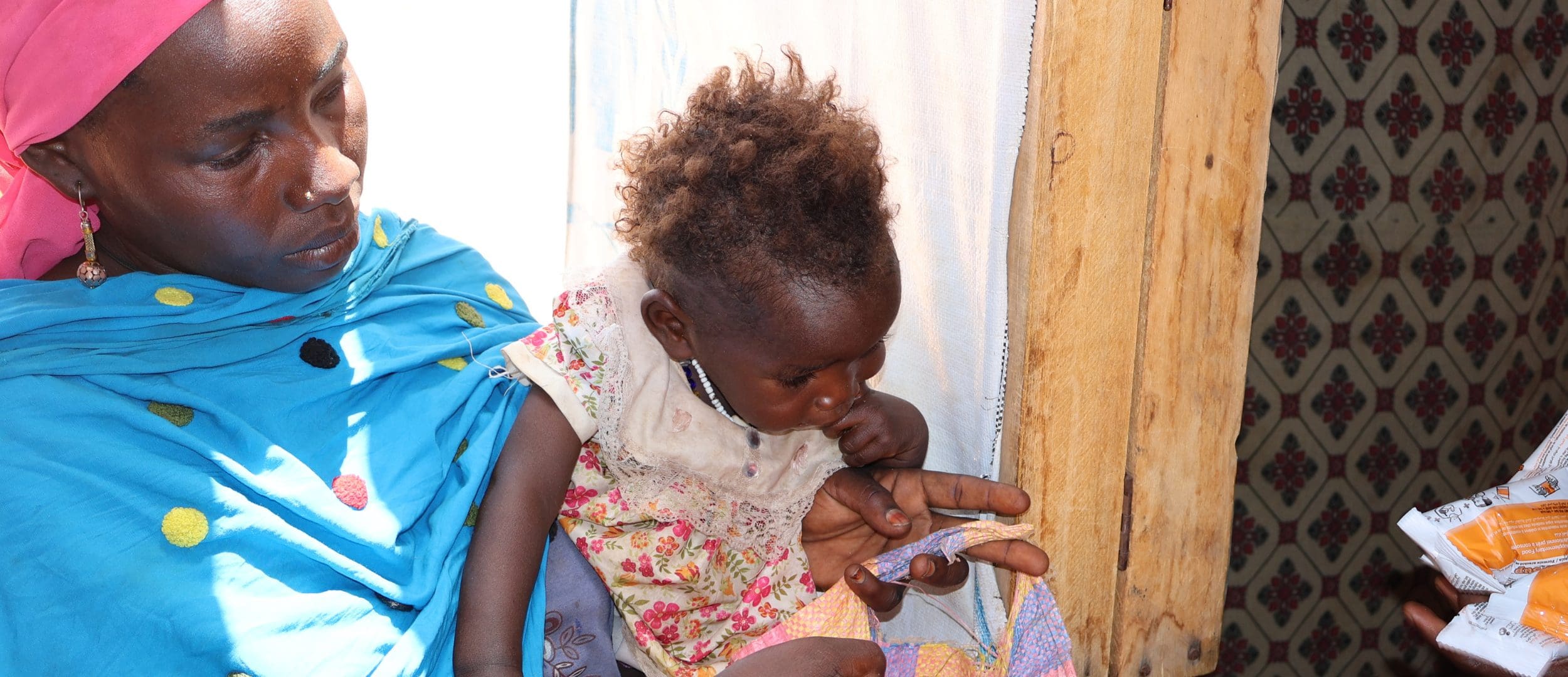
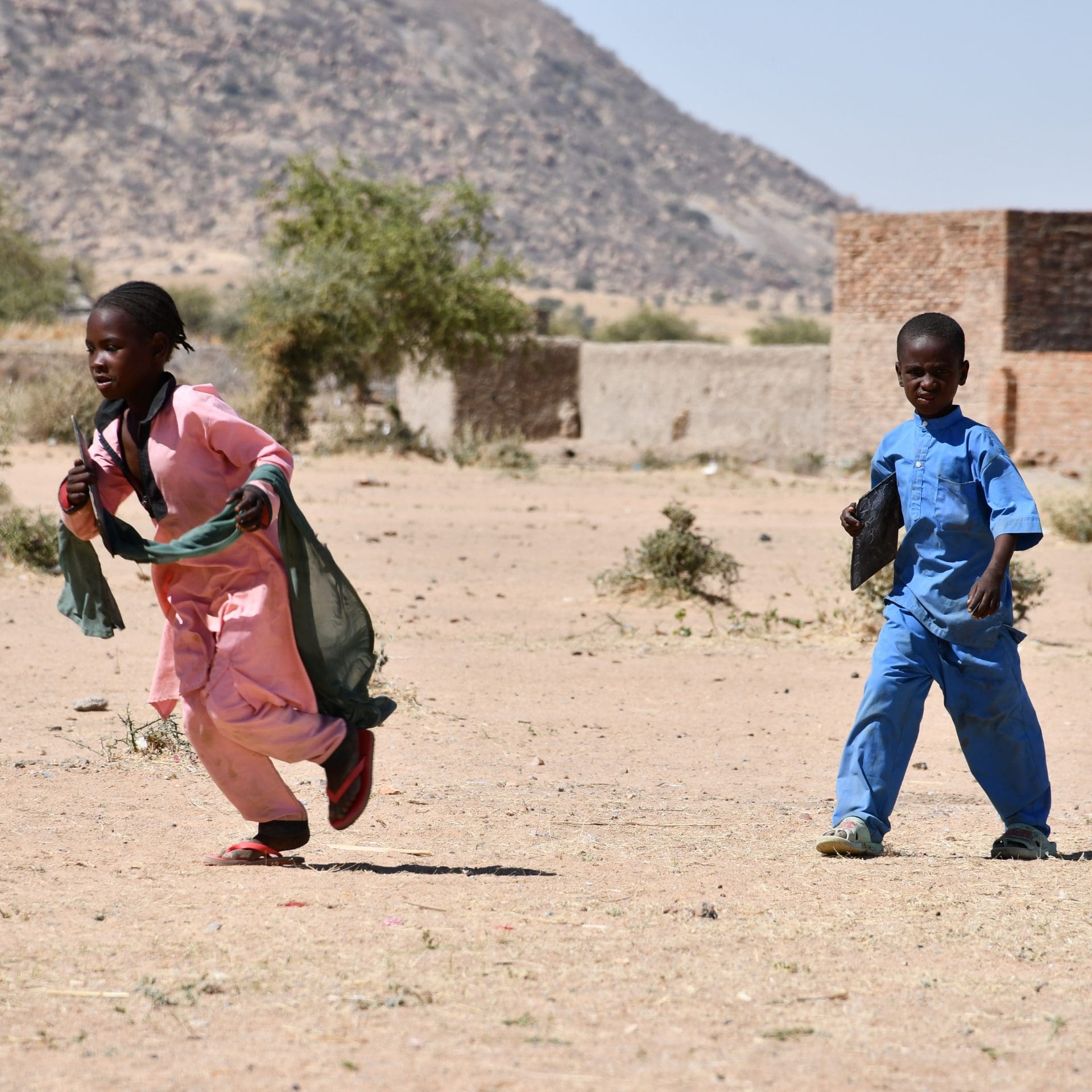
In Chad, one in four children has never received a single vaccine. These children therefore remain exposed to many infectious diseases such as malaria, polio, or tetanus, which are major causes of death. The regions of Wadi Fira, Ouaddaï, and Sila—where access to healthcare is limited—are particularly affected by poverty, geographical isolation, and population displacement. As a result, vaccination coverage rates are particularly low, exposing the youngest children to serious health risks.
Opportunities to access information about vaccination are limited. To respond to this emergency, we work with the Ministry of Health and local organizations to strengthen trust and knowledge on vaccination. We raise awareness and facilitate access to childhood immunization by mobilizing communities, developing educational tools, and providing families with the information and support they need to protect their children, especially in the most remote areas.
This project is implemented with the support of the GAVI Alliance through a new and innovative partnership model.
Targeting high-risk areas as a priority
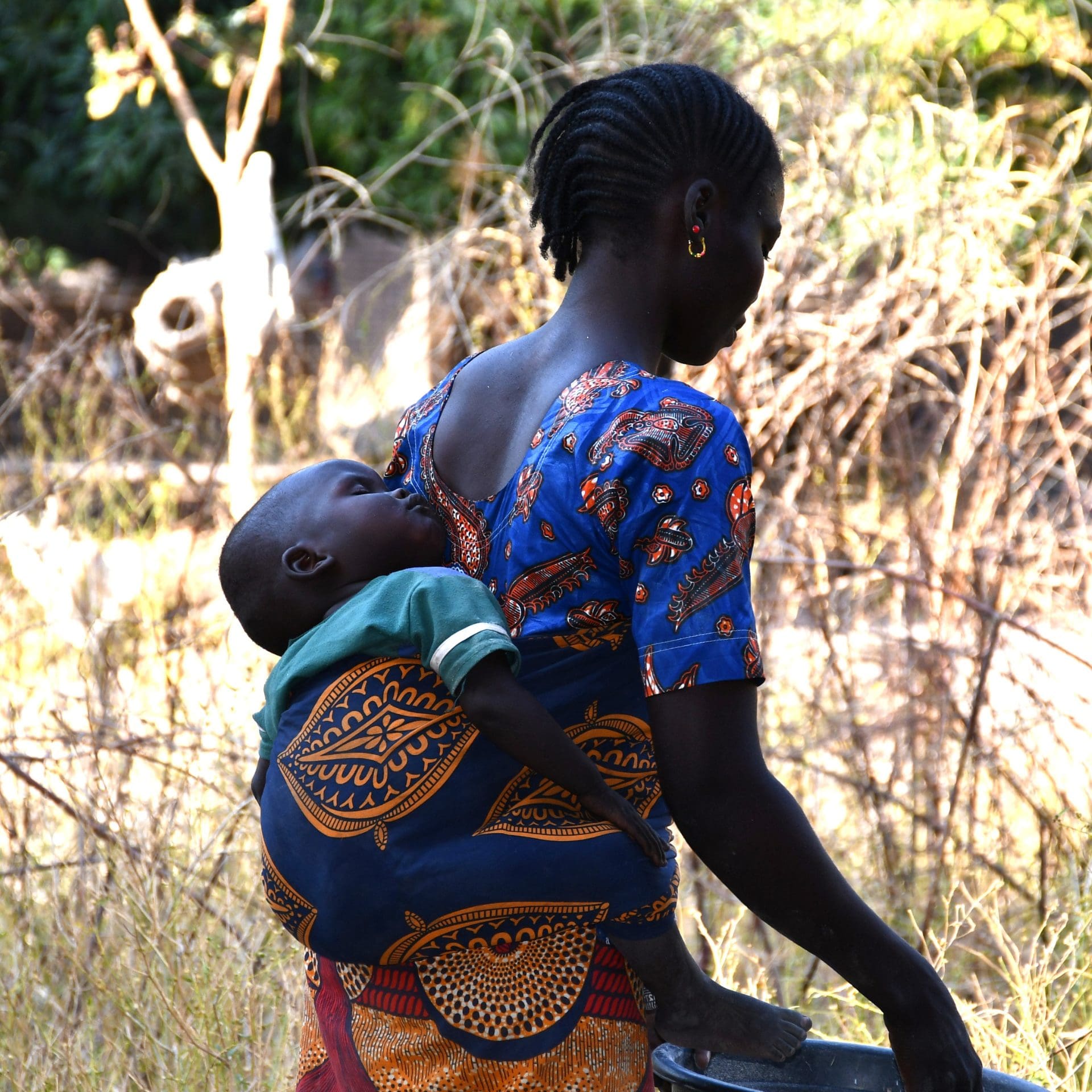
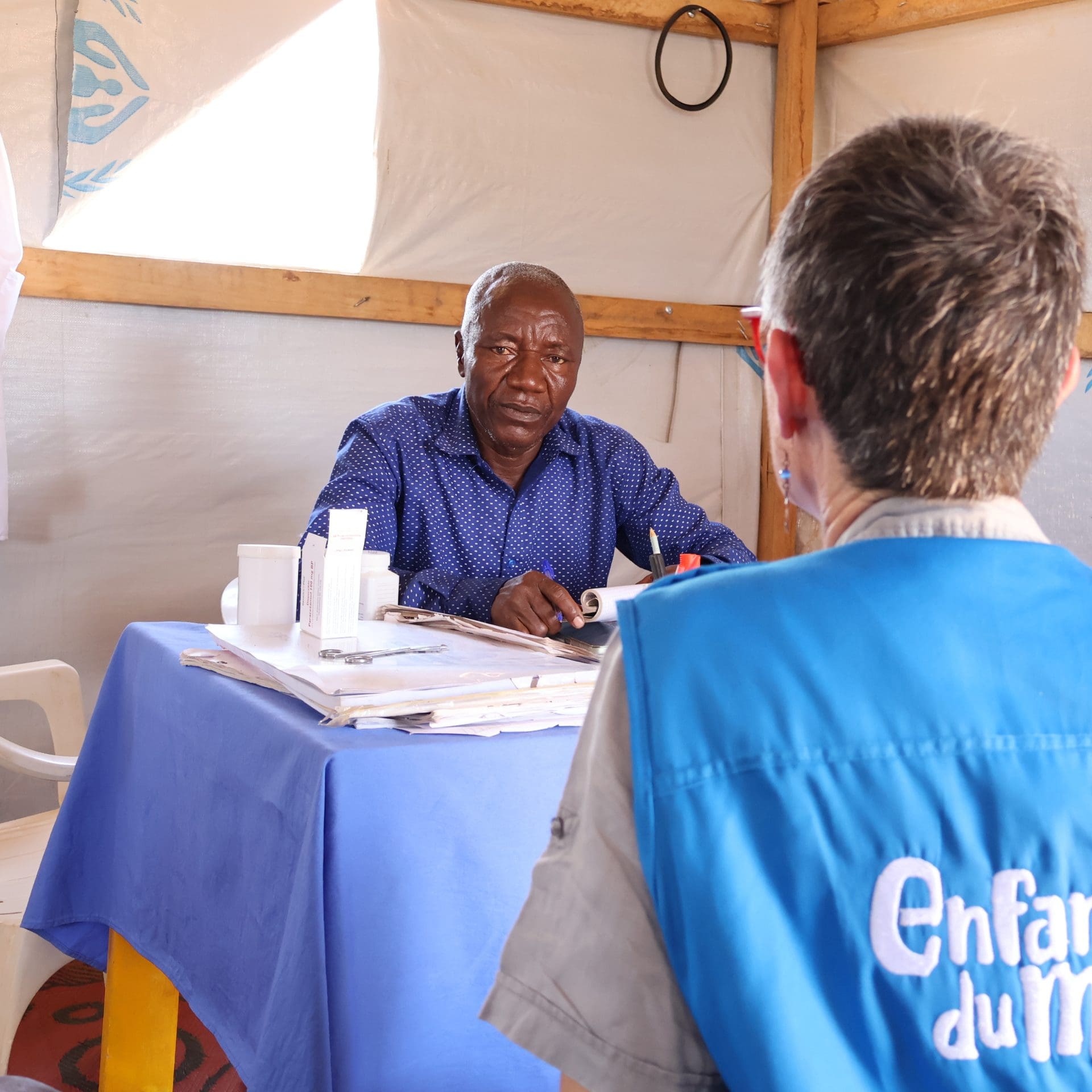
To gain a precise understanding of the vaccination situation in our areas of intervention, we assess the number of “zero-dose” children (who have never been vaccinated) and under-vaccinated children by engaging with families and healthcare workers. This work allows to identify the most at-risk areas and families, while also taking into account cultural barriers that may hinder vaccination. To achieve this, roundtable discussions are organized in each province to listen to communities, gather their views, address their concerns, and jointly develop appropriate solutions. We also conduct interviews with healthcare staff to better understand the context. This initial phase enables us to plan the most effective actions.
Mobilising the community
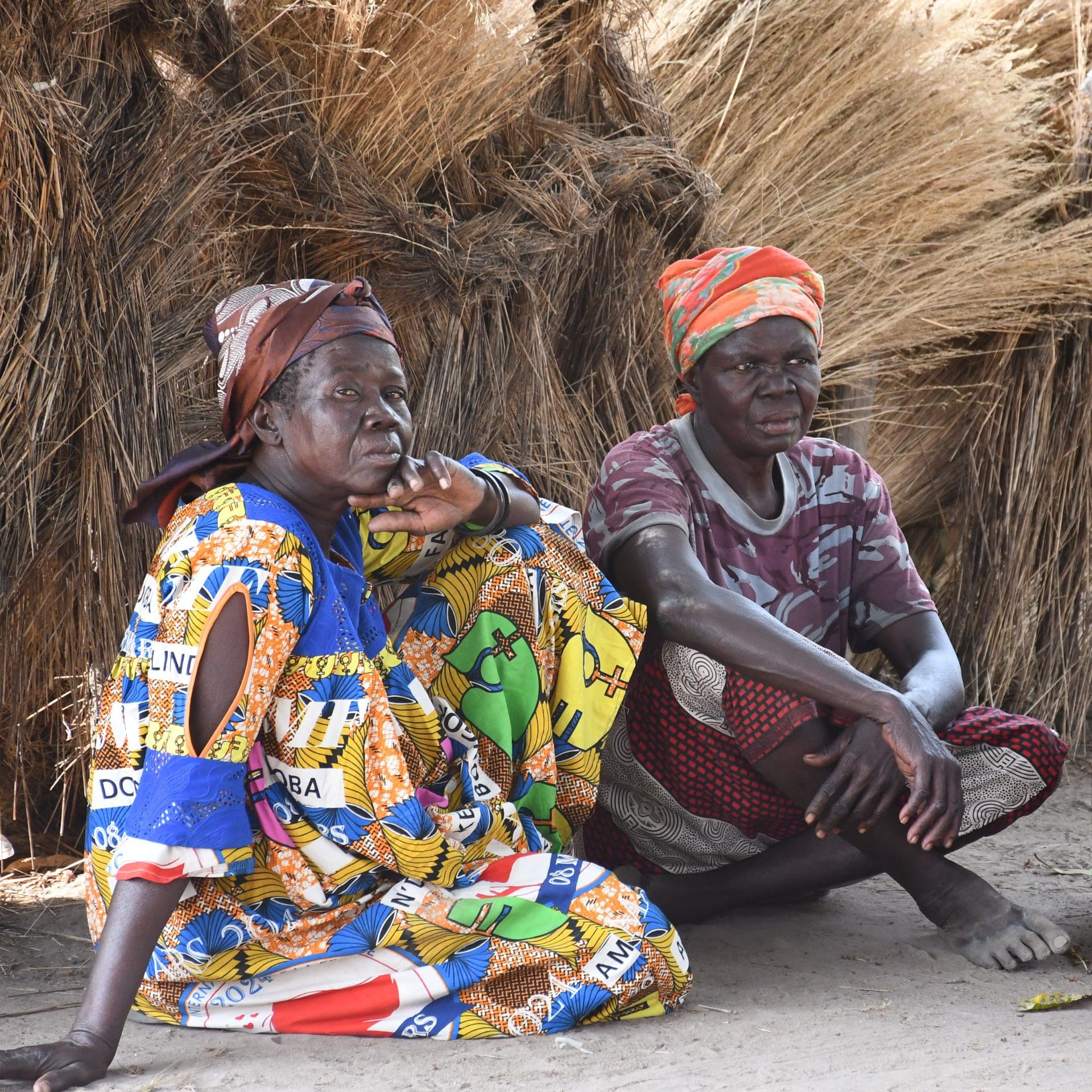
The community is the main driving force behind vaccination. Associations, teachers, literacy centre facilitators, women’s and youth groups, community and religious leaders, fathers, healthcare workers, and traditional birth attendants all play a role in raising awareness so that children are vaccinated. We train these well-known and respected community members to organise awareness-raising sessions in commonly visited places by the population, such as markets and places of worship. By explaining the importance of vaccination using the communication materials we have developed, these trusted figures strengthen the link between communities and health authorities, helping to reassure families, increase the number of children vaccinated, and ultimately protect their health.
Using all communication channels
To reach as many people as possible, awareness campaigns will be broadcast on the radio, social media, and in health centres. These widely used channels—even in rural areas—make it easy to share essential information about vaccination, dispel misconceptions, and promote a positive view of vaccination. With better information, community concerns are eased, and families are encouraged to have their children vaccinated.
Our impact
- Raised awareness about the importance of vaccination among 176,000 people
- 24,000 children vaccinated
- 130 people trained to raise community awareness
- 540 trusted community members involved in awareness-raising
- 7 health districts covered
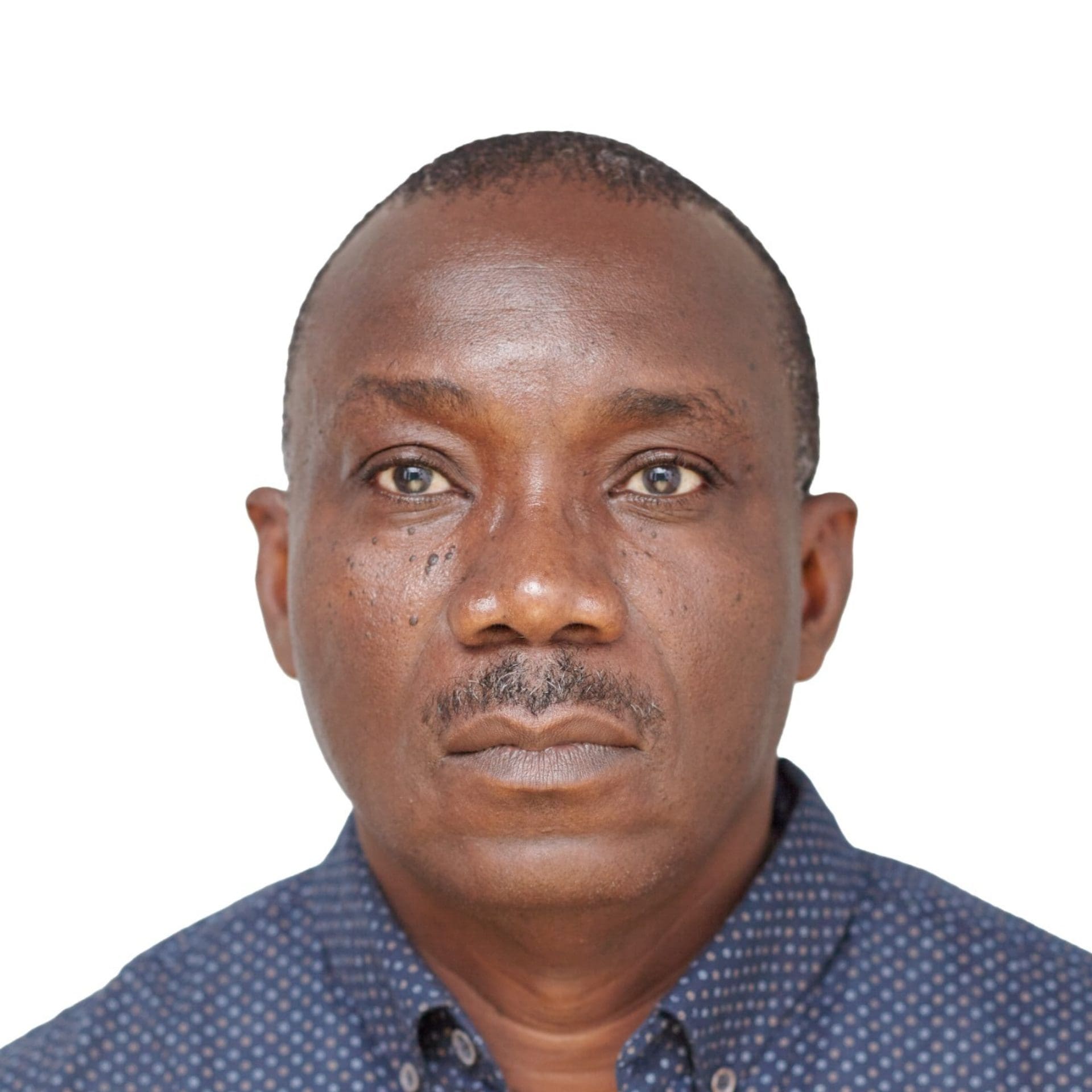
Sylvain Naissem, Health Program Officer, Chad
Vaccination doesn’t just protect one child; it strengthens the entire community. Our goal is to raise awareness, protect, and mobilize communities so that children are safeguarded against vaccine-preventable diseases.”
Partners
Local Partners

 Stay informed
Subscribe to our monthly newsletter to receive news about our association and learn more about our programmes.
At the moment, the newsletter is only available in German or French.