


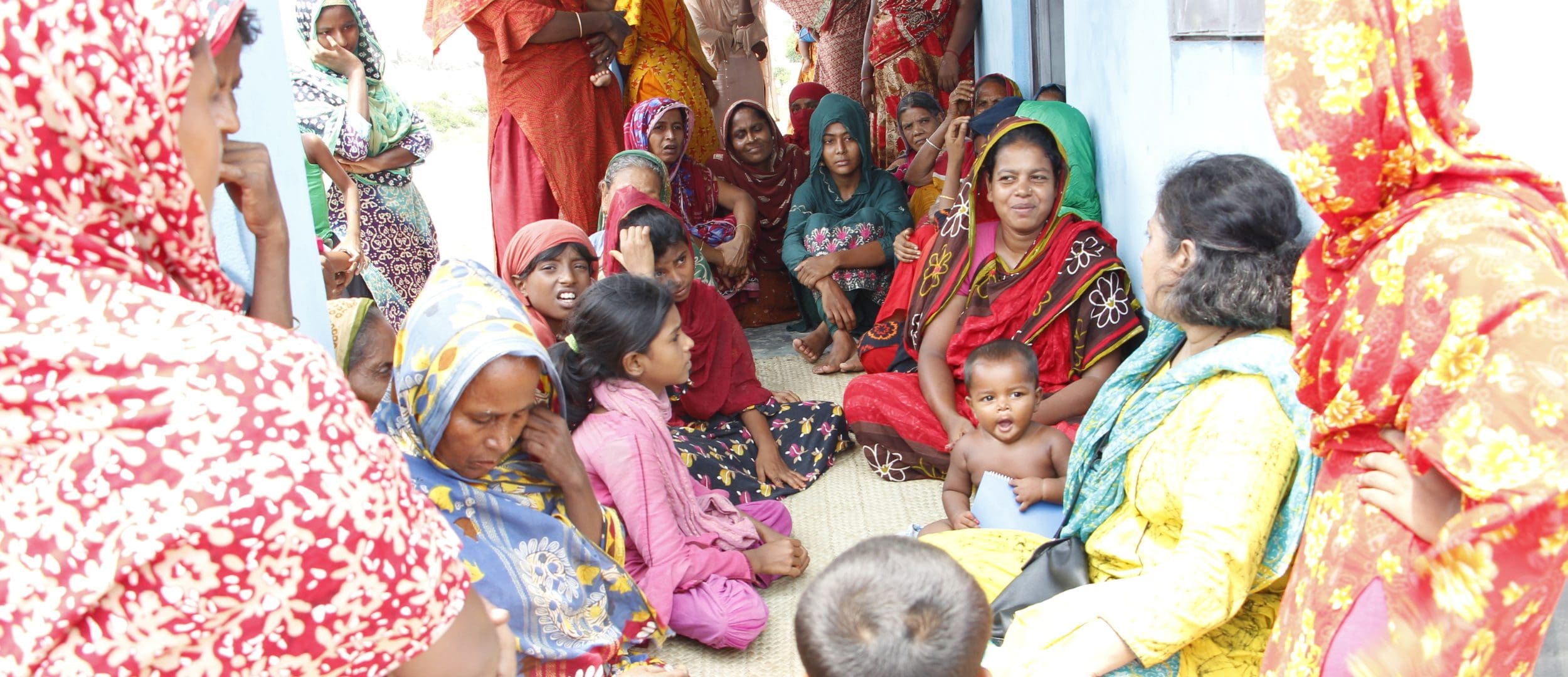
Five years on, in the Brahmanbaria region of Bangladesh, our maternal and neonatal health project, carried out in collaboration with our local partner BRAC, has come to an end. Implemented between 2019 and 2024, the project supported close to 40,000 people and improved access to quality health care for pregnant women and newborns, all the while reinforcing community participation and awareness-raising in themes surrounding the right to health care access.
The capitalisation report written by ThinkThrough Consulting touches upon the principal successes and challenges encountered as well as the lessons learnt throughout the project. The study used an approach combining documentary reviews and meetings with health care professionals, officials and community members. Their analysis highlights a key consideration for the future: the institutionalisation of certain practices and efficient approaches to guarantee the perennity of activities and to amplify their impact on the national health system.
Together we shall explore the main points of this report and the lessons learnt from this project that contributed to the sustainable transformation of maternal and neonatal health in Bangladesh.
Download the full report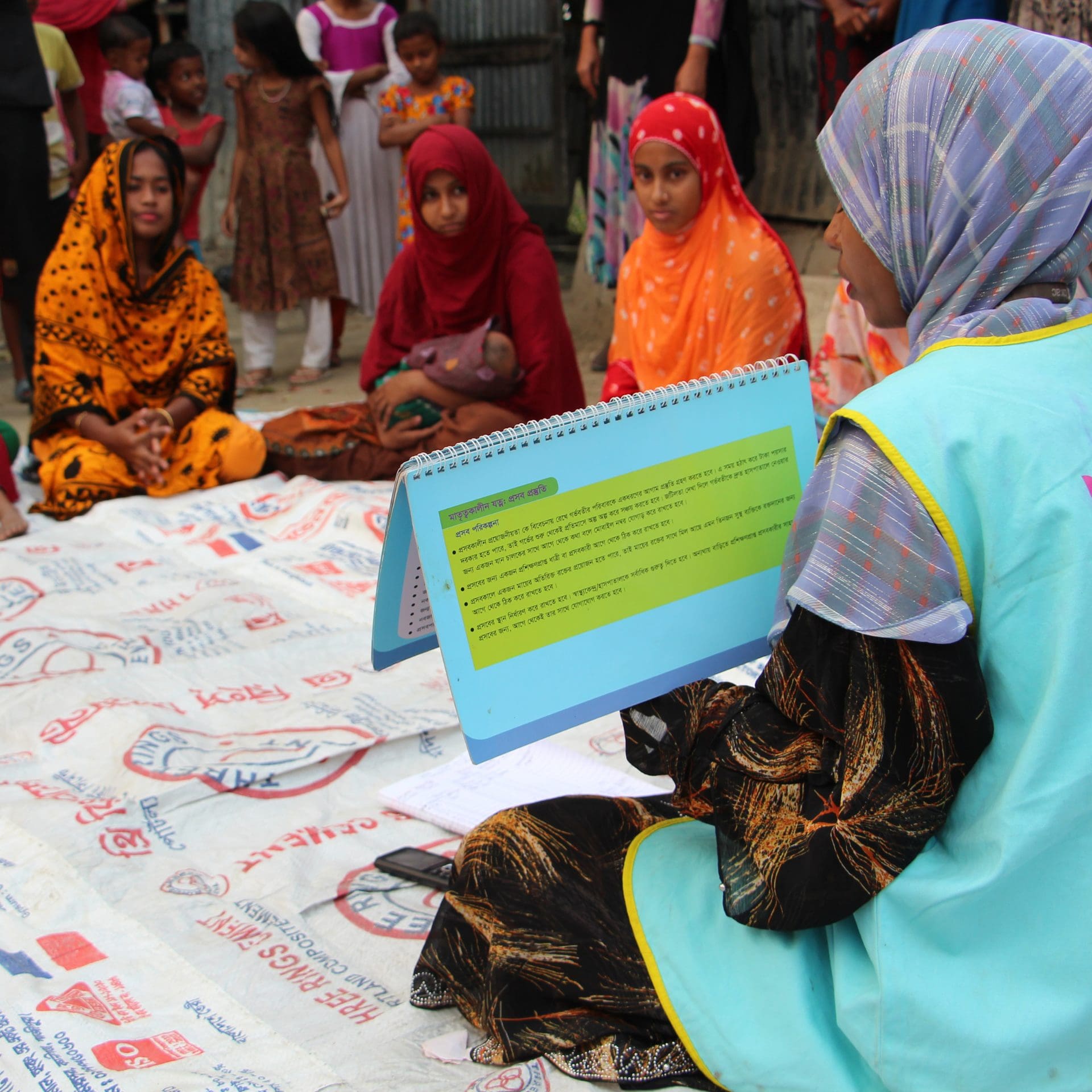
Education on maternal health care, a force for change
Health care education was a main focus of our work, notably involving awareness-raising actions on maternal and neonatal health, respectful care and on the right to health care. These themes, little known by the population of Bangladesh at the start of our project were conveyed to over 37,000 people thanks to educational talks destined to pregnant women, community forums and informative activities conducted in markets, mosques and tearooms.
These actions contributed to:
- Better knowledge of good prenatal practices
- Greater family support for pregnant women
- Higher cases of people seeking emergency health care
By the end of the project, almost 93% of the women living in the region were aware of the importance of receiving prenatal care.* By basing ourselves on participative and culturally adapted approaches, durable behavioural changes took place in the communities: 8 out of 10 women consulted a health care professional during their pregnancy.*
These results show that close and regular contact with the population is essential to establish trust and to encourage people to seek appropriate health care. By implicating men in dedicated spaces for discussion and intrusting the animation of the sessions to local health care professionals, the project helped to progressively bring down cultural barriers around maternal and neonatal health.

Asma Pregnant woman, Bangladesh
My mother-in-law was the one who told me to participate in awareness raising sessions about pregnant women’s health. I learnt that it was important to take part in visits of prenatal care facilities in community clinics and that one should not give birth at home, as this can be risky in the case of complications during labour.
Reinforcing the quality of care through health worker training
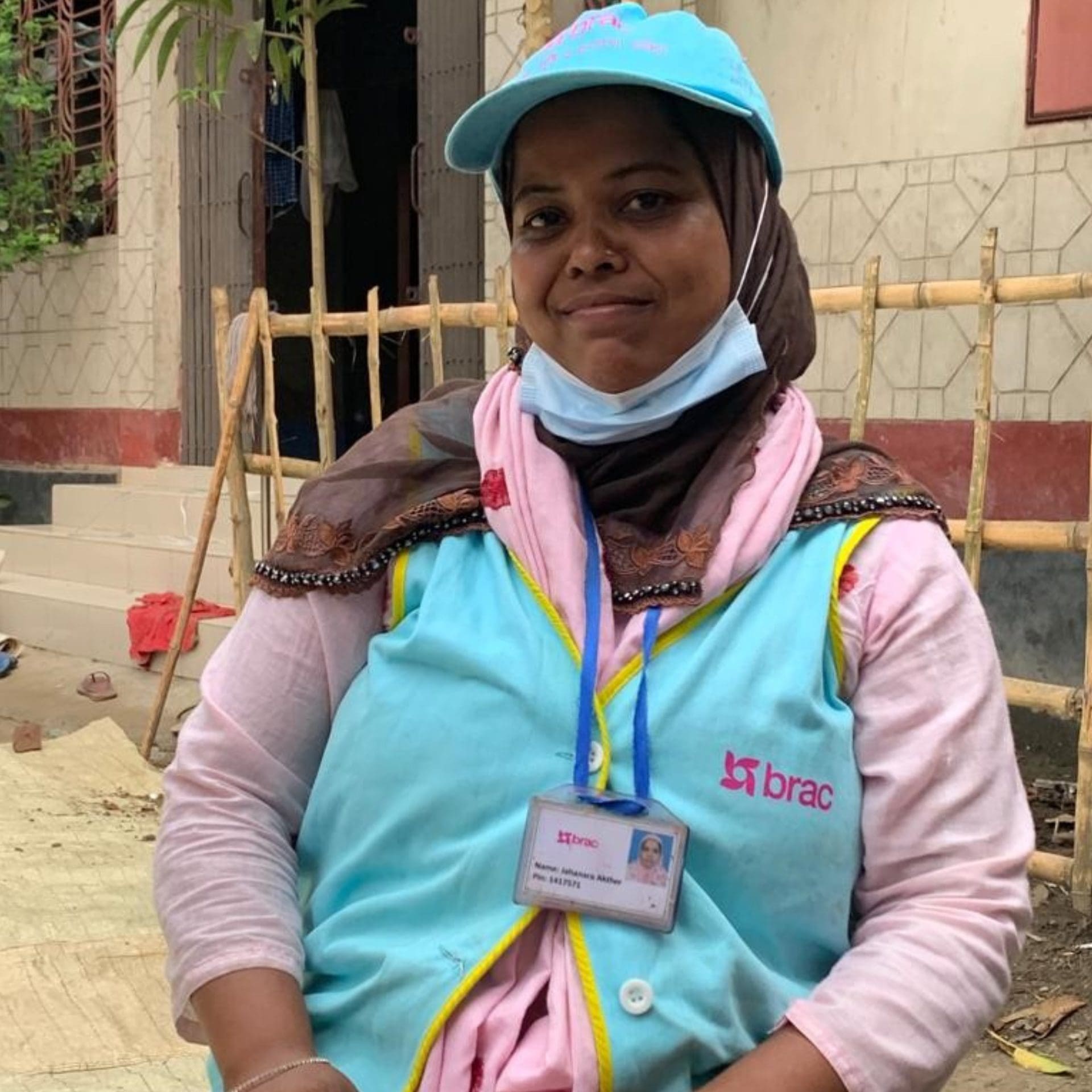
Over 1,000 health care professionals were trained in respectful care and the right to health, indirectly affecting tens of thousands of families who benefited from targeted awareness-raising actions. This training, online and in person, transformed health care practices amongst medical staff, reinforced the culture of respectful care and improved the quality of patient treatment.
Trained people included carers in direct contact with the population as well as government health-officials. These actions showed that the focused reinforcement of health care professionals was an essential lever in the promotion of quality maternal health care founded upon the rights of patients.
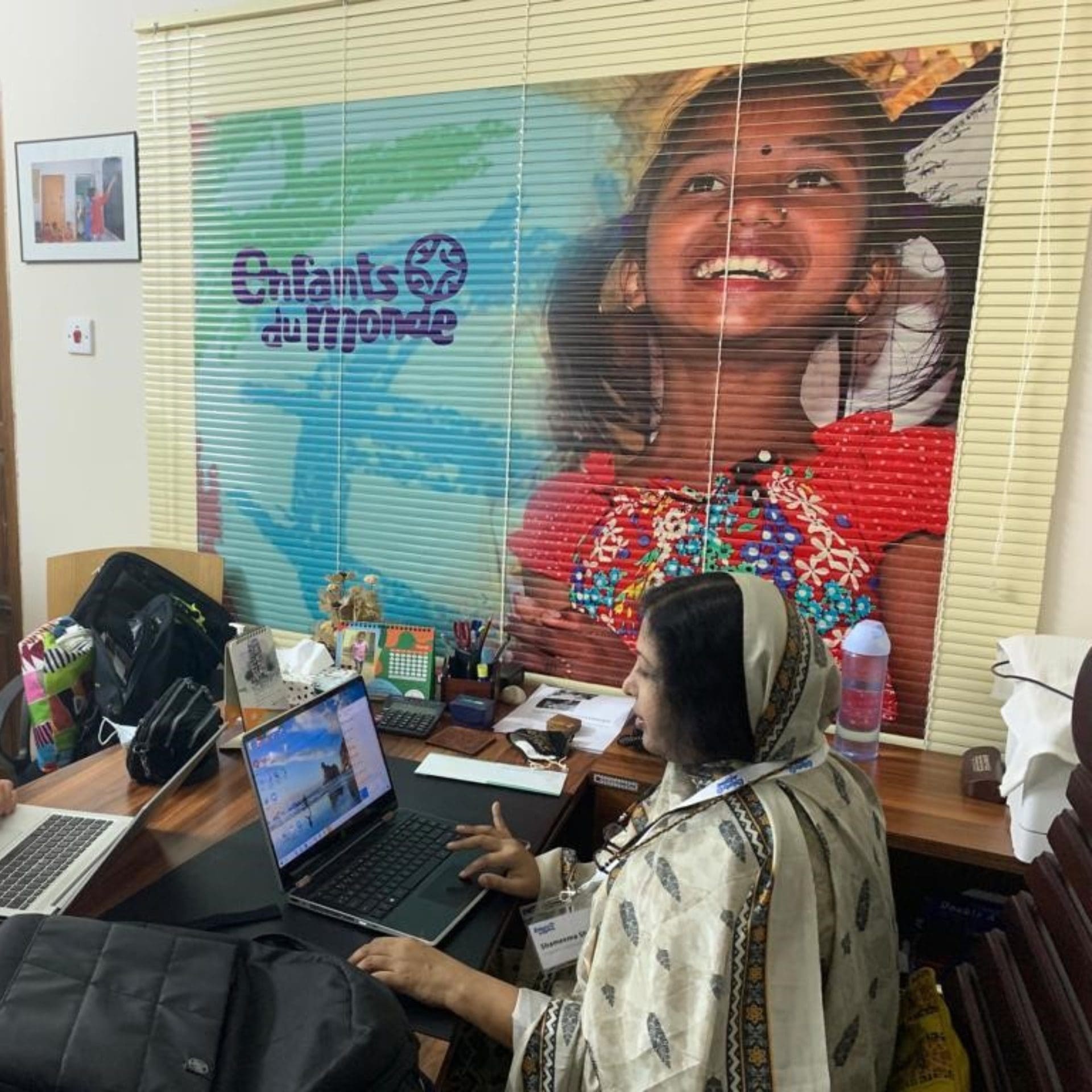
It should be noted that online courses on early childhood development, respectful care and on the right to health can effectively complement traditional training programmes. Approaches that combine autonomous learning and interactive sessions reinforce participants comprehension.
By including topics on early childhood, respectful care and the right to health care to existing training material, the project made sure that the concepts were not taught in an isolated manner, but in a way that regularly reinforces capacities. In this way, integrating content in the continual training courses of health care professionals durably improves health care quality.
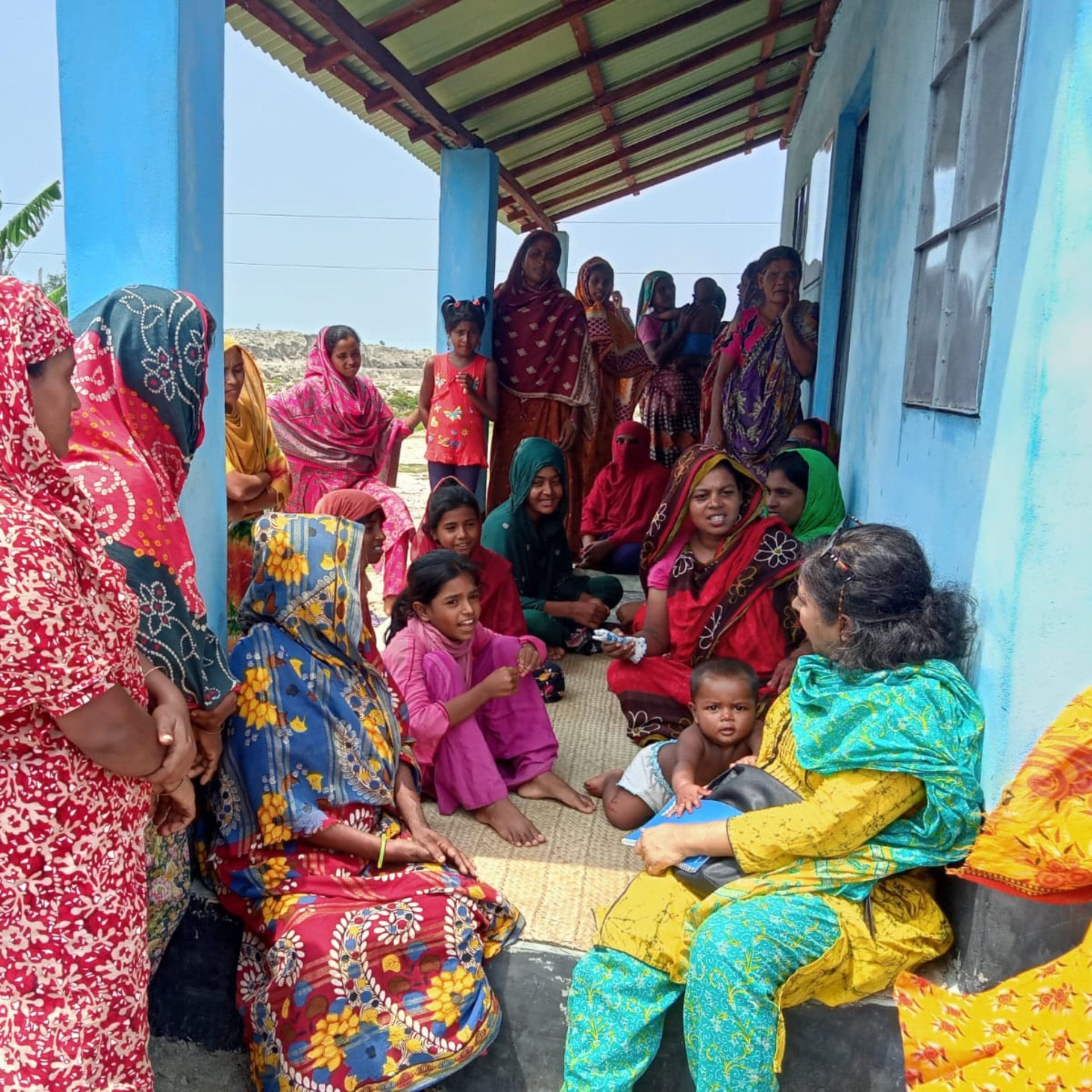
The community, a driver for change
To reinforce accountability and the quality of health care services, we implicated local populations by soliciting their participation in novel public initiatives. Thanks to 73 community-based action groups, locals were able to give their opinions on infrastructures, medicine availability and the conduct of health care professionals.
These exchanges, held in the presence of local authorities and health care professionals, made it possible to identify real problems and to elaborate concrete solutions. Another lesson to recognize is the importance of combining community-based action with local authority support. The successes of this action are due to the active participation of local officials; in future it is essential that local authorities are integrated in these processes.

Sustainability: institutionalisation to preserve success
L’institutionnalisation de ces approches – notamment les modules de formation et les séances d’éducation à la santé des communautés – garantirait non seulement la continuité des actions, mais aussi leurs bienfaits : des communautés mieux informées et mobilisées et une amélioration durable de la qualité des soins pour les mères et les nouveau-nés.
The lessons learnt from the project demonstrate that integrated participative approaches, founded on the right to health care are essential in the sustainable transformation of neonatal and maternal health care in Bangladesh. To guarantee that the achieved progress remains sustainable through time, it is necessary to integrate these methods in the national health system wherever possible.
The institutionalization of these approaches—particularly the training modules and community health education sessions—would ensure not only the continuity of activities, but also their long-term benefits: better informed and more engaged communities, and lasting improvements in the quality of care for mothers and newborns.
Sources
*Rapport – ‘Implementation of the World Health Organization’s Framework for Working with Individuals, Families, and Communities (IFC) to Improve Maternal and Newborn Health in Bangladesh’ – BRAC James P Grant School of Public Health, BRAC University
 Stay informed
Subscribe to our monthly newsletter to receive news about our association and learn more about our programmes.
At the moment, the newsletter is only available in German or French.